As the canicross season is in full swing and many of us have already planned our racing calendar for the months ahead and are starting to crank up the miles, it is vital to remain as injury free as possible.
Injury prevention is a huge subject and I will try and cover as many aspects as possible in later blogs such as stretching, foam rolling, periodisation and programming.
But first … Let’s talk about cross training, an important part of your training programme.
So, what is Cross Training?
From the dictionary definition: noun
training in two or more sports in order to improve fitness and performance, especially in a main sport. (“rollerblades have become popular as a cross-training tool for cyclists, skiers, and runners”)
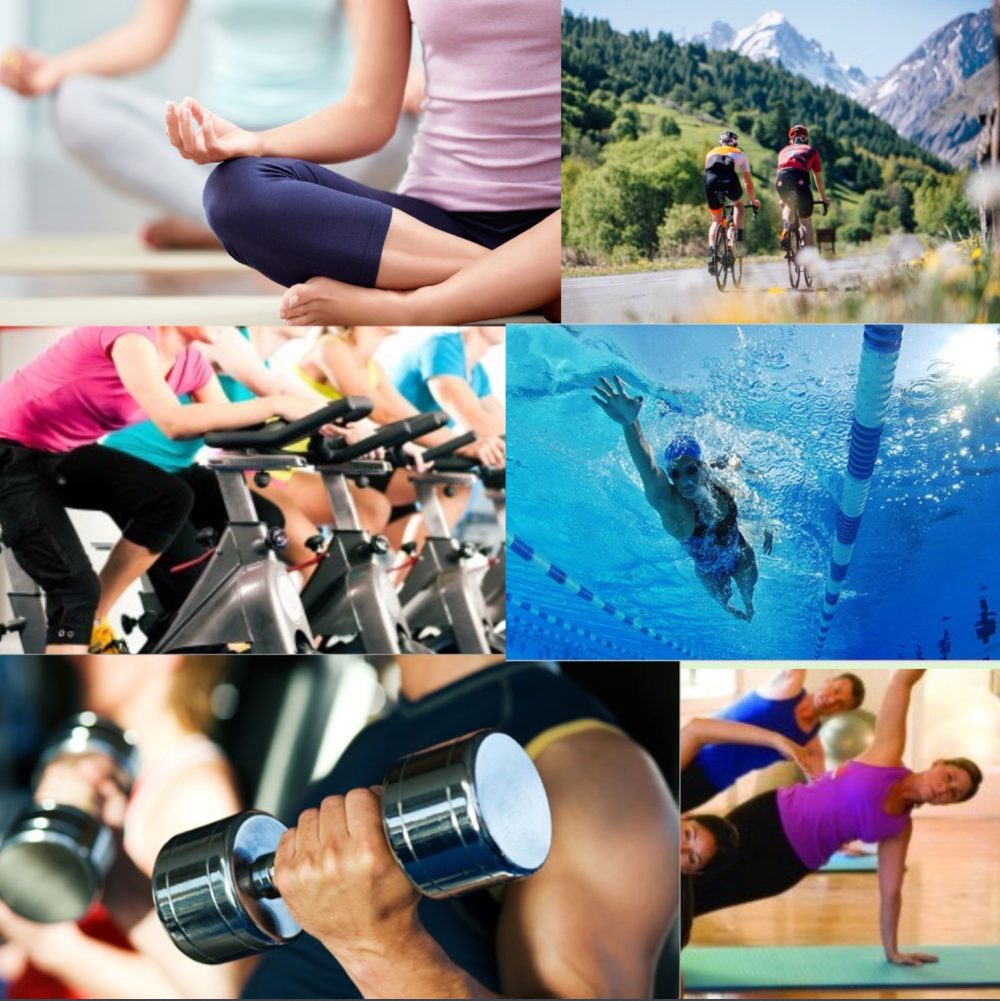
In reference to running, cross training is when a runner uses other forms of fitness training to supplement their workouts such as cycling, swimming, fitness classes, yoga, Pilates or resistance training.

What are the benefits of cross training?
Alternative forms of training have many benefits. But to name just a few :
– it builds strength and flexibility by using muscles and tendons that running doesn’t use
– it improves general fitness by challenging the entire body
– it corrects muscular imbalances and biomechanical issues that may otherwise lead to injury
– it injects variety into your programme which helps keep boredom at bay
– variety is also important to maintain a volume of training without overusing certain body parts
– it is more sustainable over a long period of time
– it promotes a better and faster recovery
– it may introduce you to new activities or sports you may really enjoy too
It all sounds good, doesn’t it? That’s because it truly is.
Don’t get me wrong, to become a better runner, one needs to run and pile on some miles, there is no substitute for it. However, doing just running to get fitter is to me a bit like just eating vegetables to get healthy. Vegetables are yummy and wonderful but they are not enough on their own…it is not a balanced diet! Running is a fantastic cardio-vascular and leg workout, but it is not enough if you want a balanced and healthy body.

What’s the problem with running?
Runners regularly and commonly face the same challenging issues : weak glutes, tight hamstrings, weak core, weak upper body and tight calves.
Weak glutes
Gluteus activation is becoming one of the most common and growing problems. When walking, running or even doing everyday things, are your glutes (butt muscles) firing properly and doing what they should be doing or are they just there for the ride?
Compensating for lazy glutes is as individual as running form and may manifest differently in one runner’s calves and knees to another. When glutes slack off, they’re not only willing to let other muscles do all the work to exhaustion, but they’re happy to let all the links in the kinetic chain take the rap and then complain! Bit unfair isn’t it? But that’s just glutes for you!
Our gluteus muscles are big muscles and our power-house! When we run, along with the hips and hamstrings, the glutes should generate most of the power and play a vital role in stabilising the pelvis to keep the hips centred. And centred hips mean that your knees, ankles and feet are all in alignment too.
Simply put : If a big body part (as big as the butt!) doesn’t do its job properly, then a smaller body part in the chain has to do it instead and compensate. And when a small part has to take on massive extra work something along the chain will break. It’s inevitable. Knee problems, feet problems, shin problems, hip problems, hamstring problems, back problems…you name it, they can all start because your glutes don’t fire when required.
What to do ?
Getting the glutes to fire while you run requires you to work on them outside of the trail. The first step is to become aware of them. If you don’t know what it feels like when they contract, then you won’t be able to notice if they are firing or not. Learn how to contract your glutes by doing a few exercises at home and note what it feels like.
Then perform some simple isolation exercises to reactivate the wiring between your brain and your most important running muscle. Research showed that the big ‘muscle’ located between the ears is critical to glute activation.
To strengthen your butt, there are many exercises that can work wonders, and none of them require complicated equipment. Squats, lunges (done properly), deadlifts, clam, donkey kick, etc etc are all pretty effective. If you belong to a gym, ask your fitness instructor or personal trainer to show you some glutes strengthening exercises.
Tight or weak hamstrings:
The quadricep muscles (large muscles on the front of your thighs) are larger and have more muscle mass than your hamstrings (the long muscles at the back of your thighs). They generate at least one and a half times more power.
Being naturally weaker, your hamstrings have to work harder to keep up with your quadriceps making them more susceptible to pulls and tears. And because it is easy to let the quads dominate your running activity, it makes them even stronger and has the potential to increase this imbalance.
What to do ?
Runners aiming to reduce this imbalance ought to work on their posterior chain. As for the glutes, there are many exercises one can do to correct such imbalances.
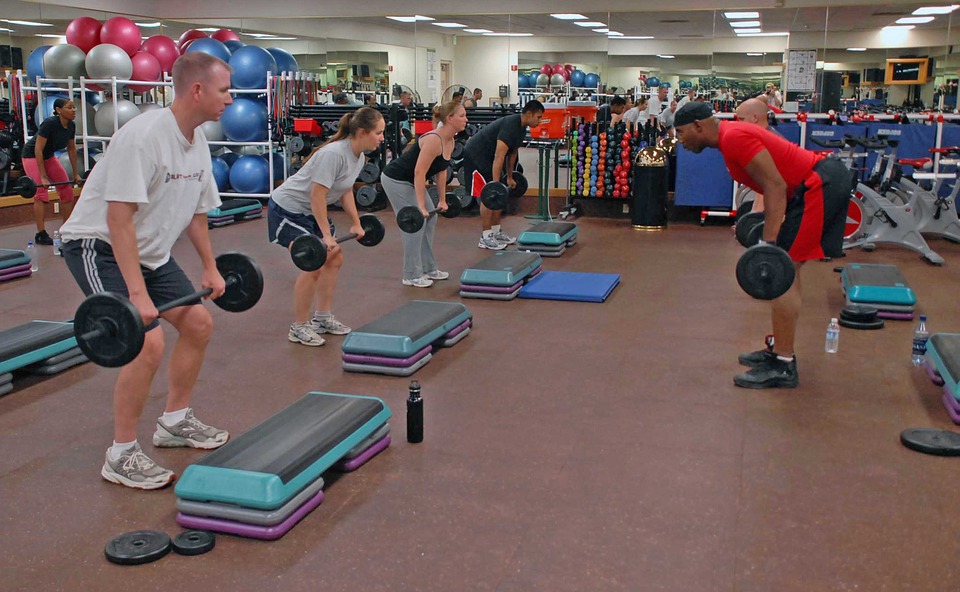
I would advise that you to talk to a fitness instructor or personal trainer at your gym and ask them to show you some exercises and their proper technique and to build up progressively. Squats and lunges are great functional wonder-moves for the posterior chain if performed properly. Get a professional to show you and add them to your weekly routine to build up leg strength and rectify any imbalance.
Cycling (or spinning) also builds leg strength, but be careful, unless you have the correct pedalling technique, you will find yourself working your quads instead of your hamstrings again. Wear cycling shoes that clip on to the pedals – they are essential to pulling the pedals back and up (the hamstring phase of the pedal stroke).
A “piston” technique (pushing the pedals down) is the most common cycling technique mistake and can lead to knee or hip problems and increased imbalance. A proper pedal stroke involves a forward, a downward, a backwards and an upwards phase (actively taking the pedal round every point on a clock face). The backwards and upwards phases are important to develop your hamstrings, don’t miss them.

Tight calves:
The problem with calves is that they are tough! They carry us all day long and are used to sustaining weight. This is great news but it makes them incredibly difficult to train and even more difficult to keep flexible. It is important to maintain a good flexibility routine.
Runners are notoriously bad at stretching. We are all the same… We meet up, start running, finish running and go home. If you have a dog attached to yourself as well, stretching becomes the last thing on your mind (dogs come first right?). Another reason for tight calves may be weak glutes (see above), it is all linked.
What to do?
Get into the habit of stretching at least your leg muscles after every run (more on stretching in a later blog) and focus on calf muscles as they do take a lot of beating when we run.
I would also dedicate one of my training sessions to just stretching (once a week at least). Take a yoga class – it not only improves your flexibility (hence reducing the risk of injury) but it also promotes relaxation, mental focus and balance… All excellent skills for runners!
Weak core:
A strong core is essential for running. We all know this. But by core, we don’t just mean abs… your abs are just …well… your abs! Your core runs effectively from your butt to your shoulders (abs, hip flexors, lower back, mid back, upper back, glutes).
Before you understand why you should pay attention to your core when running, you need to appreciate what the core muscles do for us:
1/ They stabilise the body. They are responsible for the stabilisation of a body segment whilst another body segment is generating power! Well.. that’s pretty much running and I don’t need to emphasise the importance of staying upright!
2/ They work in shock absorption and minimise the shock, taking the strain away from other joints. There is a shock to be absorbed every stride you take!
3/ They are responsible for maintaining posture. Only worms or slugs needn’t worry about that!
4/ They are required for dynamic motion, i.e. if you want to move in different directions!
What to do?
Yoga and Pilates are good classes to attend to build core strength. Start with a beginners class, or find an instructor who offers modified versions. Recognise your body’s limits and have realistic expectations. Turn off your competitive instinct while cross-training, follow your own goals.
Alternatively, in the gym you will find many tools to use that will stimulate the core. Anything that will provide a dynamic environment where balance is challenged will promote core stability (fitballs, Bosu, TRX straps, wobble boards, etc). Ask your gym instructor to show you and design a core specific programme for you.
Weak upper-body:
Let’s face it, as a runner (unless you’re a sprinter) your upper body is generally missing out. Long distance runners look like they are just lungs on legs to me!
However, setting PBs requires more than leg power. A strong upper body helps you process oxygen more efficiently, which allows you to run faster with less effort. Adding upper-body work to your routine will also help you maintain your form in the late stages of a race when technique deteriorates through fatigue.
What to do?
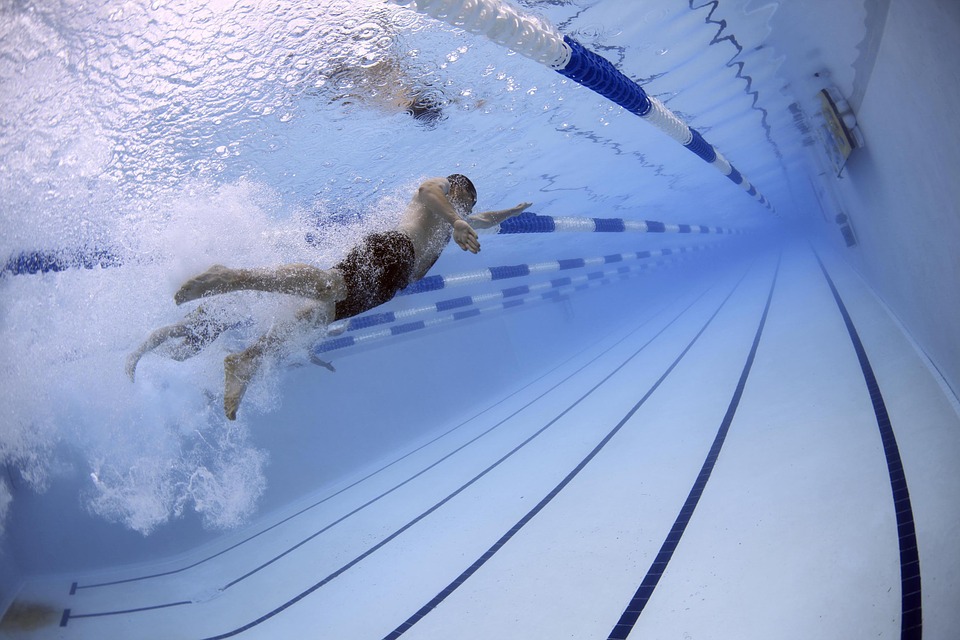
Swimming is an ideal cross training activity for runners because it provides an excellent cardio workout with zero impact and strengthens muscles that running neglects and is great at developing lung capacity.
In terms of injury rehabilitation, when you have overdone the running, you could do a lot worse than hitting the pool for some training in water.
I would advise again to speak to a swimming instructor first as practising poor technique would only lead to injury. If you have knee problems, stay away from breaststroke. Get a few lessons or join some group training sessions. Many clubs offer adult group sessions on their timetable.
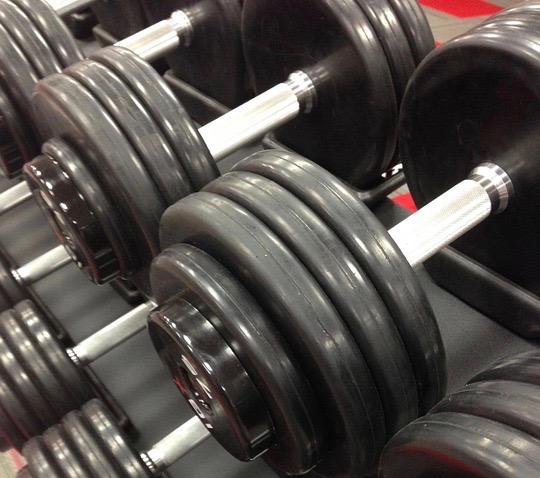
Resistance training. Whether it is free weights or body weight the choice is yours, but adding some resistance training to your programme is essential. There are many very good fitness classes that focus on resistance training (pump, kettlebells, circuit training, bootcamp etc). Or simply go the gym and follow a well-designed and progressive programme.
Finally …
To build endurance it takes hours and hours of cardio-vascular work. Many years in fact. Endurance is not generally a youngster’s game for it takes years for your cardio-vascular system to mature properly. You rarely see young athletes in the long distance World! So if you decide to go “the long way”, think about cross training with an activity that won’t take its toll on your body.
For instance, I like to use cycling to build my CV fitness because it is very cardio and I can cycle for 6 hours without increasing the risk of injury, whilst this amount of time running is guaranteed to break me.
I have competed in long distance events many times. But did I ever run a marathon in training? No, never! Too risky! In the best case scenario it would require days or weeks of recovery which you can’t afford.
Instead, I used cycling as my main cross training and spent many hours on my bike (low impact) to build cardio vascular fitness and added 2 to 3 runs a week for pure specificity (2hrs max for my long runs). Does this mean I was slacking on my training? No, I was still clocking 16hrs + of well managed and balanced training weekly.
In part 4 of this blog, I intend to show you how you can periodise and manage your training to prepare for an event and remain as injury free and mentally fresh as possible.
Now… As I always say, train smart and stay healthy everyone!
